
Hair growth advice is everywhere. Most of it is recycled, vague or flat-out wrong. If you want thicker, stronger hair, you need to focus on biology, not marketing. Growth starts at the follicle, and follicles respond to nutrition, hormones, blood flow and how you treat your scalp daily.
Here are five evidence-based strategies that matter.
1. Fix Your Scalp First
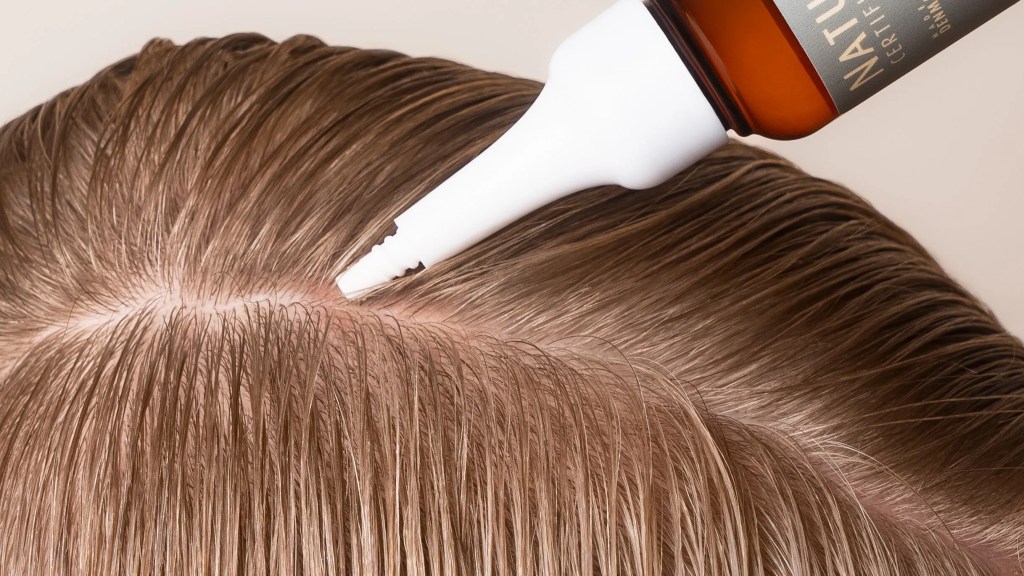
Healthy hair grows from a healthy scalp. If the scalp is inflamed, clogged or chronically dry, follicles struggle.
Common problems include buildup from heavy products, dandruff, excess oil and irritation from harsh shampoos.
What to do:
- Wash consistently. Not necessarily daily, but enough to prevent buildup.
- Use a clarifying shampoo once every 1–2 weeks.
- If you have dandruff or flaking, consider shampoos with ketoconazole (Nizoral) or zinc
- Scalp massage is underrated. Two to five minutes a day can increase blood flow to follicles. More circulation means more nutrient delivery.

2. Eat for Growth, Not Just for Calories
Hair is made of keratin, a protein. If your protein intake is low, your body will prioritize organs over hair. Hair loses.
Key nutrients for growth:
- Protein
- Iron
- Zinc
- Biotin
- Vitamin D
- Omega-3 fatty acids
Crash dieting, aggressive calorie cuts or extreme low-protein diets often trigger shedding. Telogen effluvium can show up months after stress or restriction.
If you suspect deficiencies, get labs done. Guessing and over-supplementing is not strategic.

3. Reduce Tension and Mechanical Damage
Tight hairstyles, constant heat styling and aggressive brushing cause traction and breakage. Growth might be happening at the root, but you never see length because the ends snap.
For women, chronic tight ponytails and braids can lead to traction alopecia.
For men, frequent harsh towel drying and overuse of styling products can weaken strands.
Adjustments:
- Loosen hairstyles.
- Limit heat tools to a few times a week.
- Use heat protectant.
- Switch to a microfiber towel or air dry when possible.
4. Manage Hormones and Stress
Hair growth cycles are hormone-sensitive.
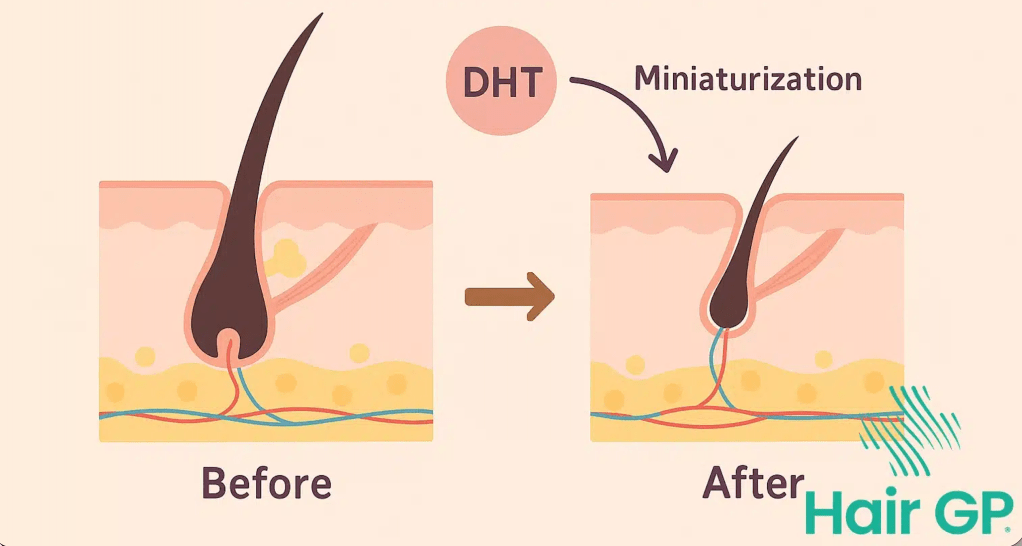
In men, elevated DHT plays a major role in androgenetic hair loss. In women, shifts in estrogen, thyroid issues and PCOS can all affect density.
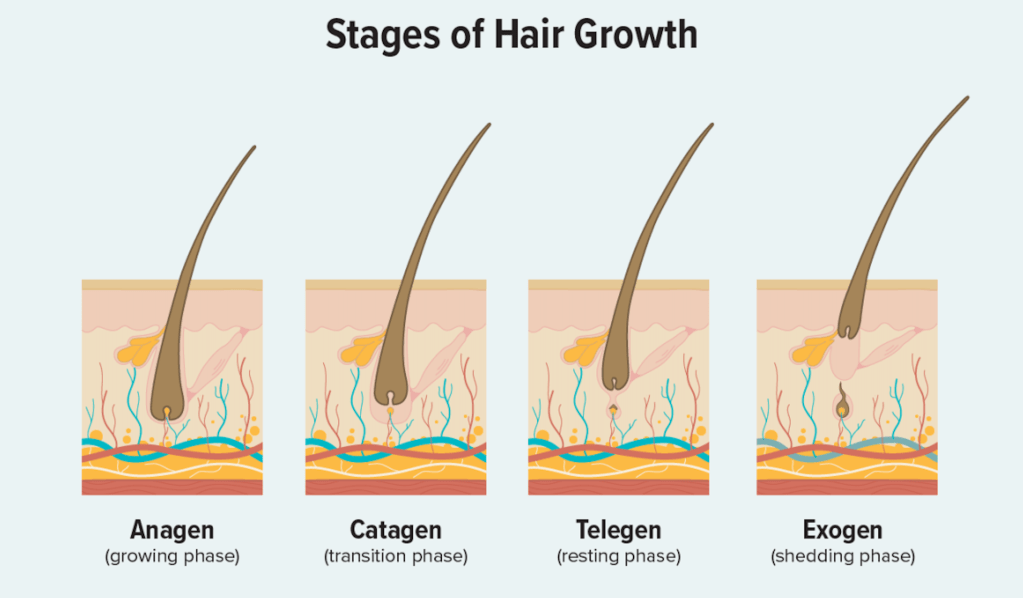
Chronic stress pushes hair into the shedding phase prematurely.
If you notice:
- Sudden diffuse shedding
- Receding hairline
- Widening part
- Thinning at the crown
See a physician. Early intervention matters. Treatments like minoxidil and finasteride are more effective when started early.
5. Be Consistent and Patient
Hair grows roughly half an inch per month on average. You will not see dramatic change in three weeks. Social media timelines are misleading.
What works:
- Consistency over intensity
- Six-month evaluation windows
- Tracking shedding patterns
- Realistic expectations
Take baseline photos in consistent lighting. Compare every three months. That gives you objective feedback instead of emotional guessing.
Hair growth is not magic. It’s physiology plus habits. Support the follicle, fuel the body, protect your strands, address hormones early and stay consistent.
Most people want a miracle oil. What they need is a system.
