
I’ve read a lot of self-improvement books.
Some were good. Some were repetitive. Some just made me feel productive without actually changing anything.
The five below are different. These are the ones that have shifted how I think and how I move through my day. They’re obviously not going to fix your life in a dramatic overnight way but more like a slow rewiring. If you actually apply even one idea from each, you won’t be the same six months from now.
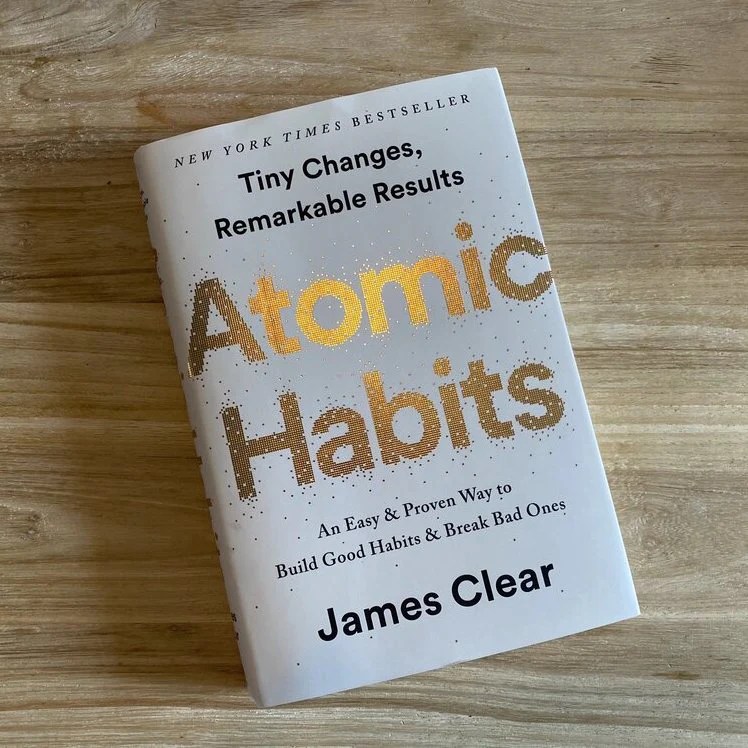
1. Atomic Habits – James Clear
This book completely changed how I think about discipline. Before reading it, I used to set big goals and then feel frustrated when motivation faded. After reading it, I stopped obsessing over outcomes and started focusing on small daily actions.
The idea is that tiny habits compound. Improve by one percent daily and the results stack up.
Instead of saying “I want to get in shape,” you need to ask, “What does someone who works out consistently do today?” Probably goes to the gym even when it’s inconvenient. Probably preps food instead of guessing.
Rather than chasing an outcome, you focus on reinforcing the identity behind it.
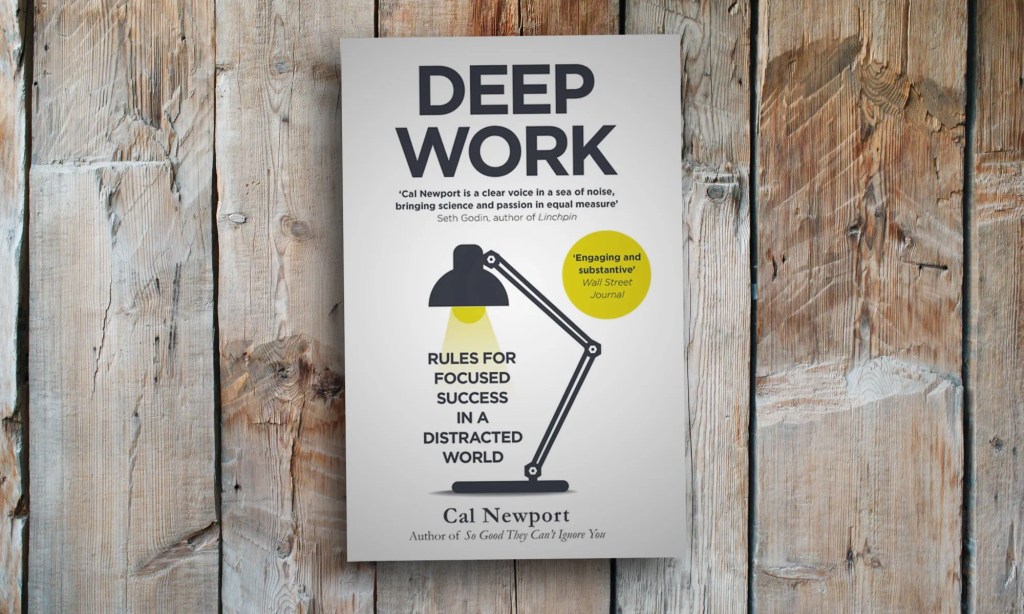
2. Deep Work- Cal Newport
This book argues that the ability to focus without distraction is becoming rare and increasingly valuable.
It distinguishes between shallow work, which keeps you busy, and deep work, which produces meaningful progress. Newport explains how constant notifications and multitasking reduce cognitive performance over time.
After applying the concept of scheduled, distraction-free work blocks, my productivity increased noticeably. Many people realize they can complete high-level tasks in far less time when fully focused.
The book reframes focus as a skill that can be trained rather than a personality trait you either have or do not have.
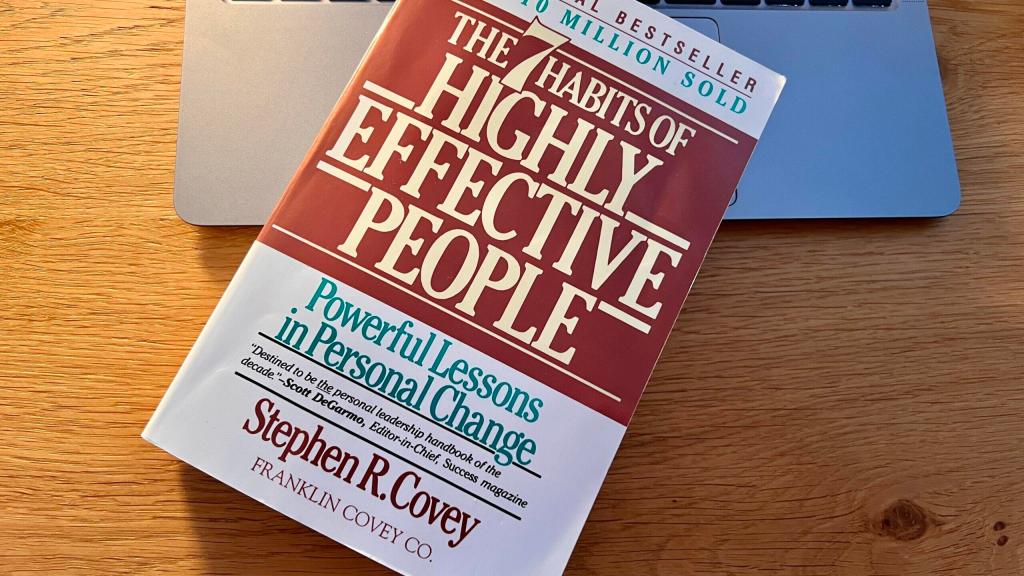
3. The 7 Habits of Highly Effective People – Stephen R. Covey
Unlike trend-driven productivity books, this one focuses on character and long-term principles.
It introduces habits such as being proactive, prioritizing what truly matters, and seeking to understand others before trying to be understood.
One principle that worked best for me is the idea of responding intentionally rather than reacting emotionally. In moments of stress or frustration, remembering that your response is within your control can shift the entire outcome of a situation.
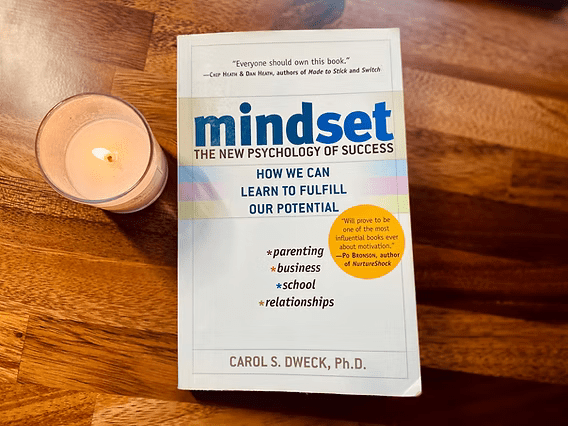
4. Mindset – Carol S. Dweck
This book explores the difference between a fixed mindset and a growth mindset.
A fixed mindset assumes that intelligence and ability are permanent. A growth mindset assumes they can be developed through effort, learning and persistence.
Understanding this difference changes how you interpret setbacks. Failure becomes information rather than a personal judgment. Challenges become opportunities for improvement rather than threats to identity.
The way you define ability influences how far you are willing to push yourself.
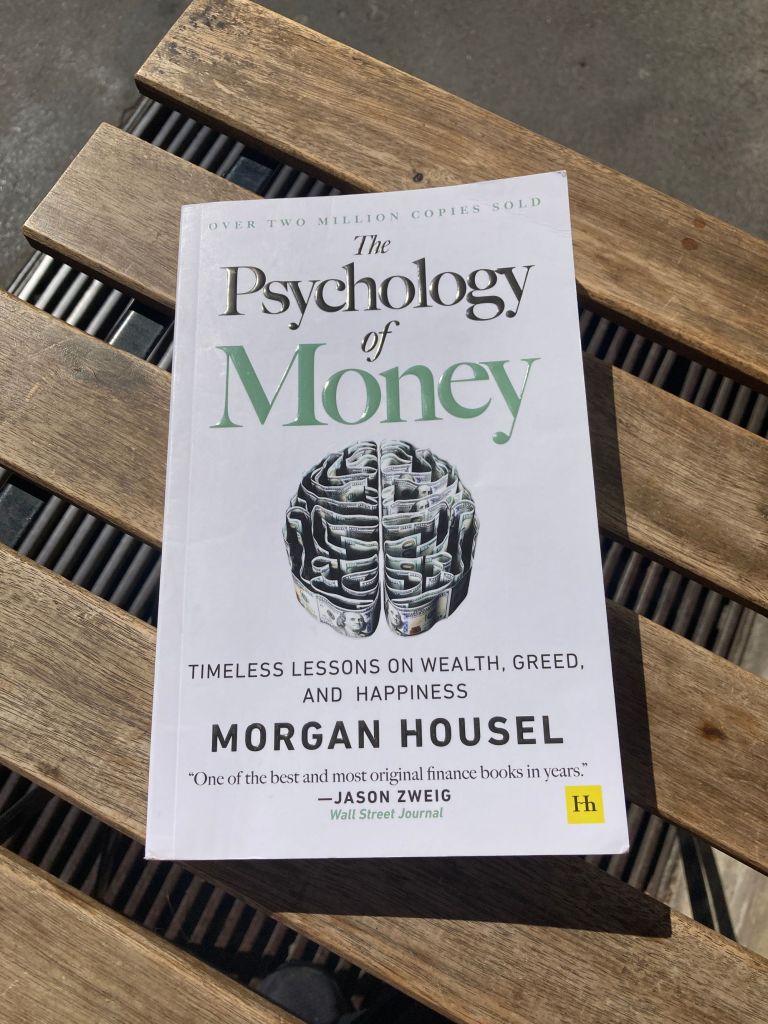
5. The Psychology of Money – Morgan Housel
This book focuses less on technical investing strategies and more on behavior.
It explains how patience, emotional control and long-term thinking shape financial outcomes. Intelligence alone does not guarantee financial success. Habits and discipline matter more.
One insight that stands out is the difference between earning money and keeping money. Many people focus on increasing income but overlook risk management and consistency.
Reading self-improvement books is easy. Applying them is harder.
These five stand out because they offer principles that can be practiced daily. Habits, focus, mindset, character and financial behavior form the backbone of long-term growth.
Choose one. Apply it consistently. That is where the real change begins.
