In today’s fast-paced world, finding moments of peace can be challenging. Breathing exercises offer a simple yet powerful way to reduce stress and enhance relaxation. In this post, we’ll explore ten effective techniques that you can incorporate into your daily routine. Whether you’re seeking to calm your mind, ease anxiety, or simply take a break from the chaos, these breathing exercises will help you reconnect with your breath and restore your inner tranquility. Let’s dive in!
1. Pursed Lip Breathing

This simple technique helps slow down your breathing. It is very helpful during bending, lifting, or stair climbing.
Relax your body. Keep your mouth closed and breath in through your nose for 2 counts. Purse your lips and slowly exhale for 4 counts. Repeat!
2. Alternate Nostril Breathing
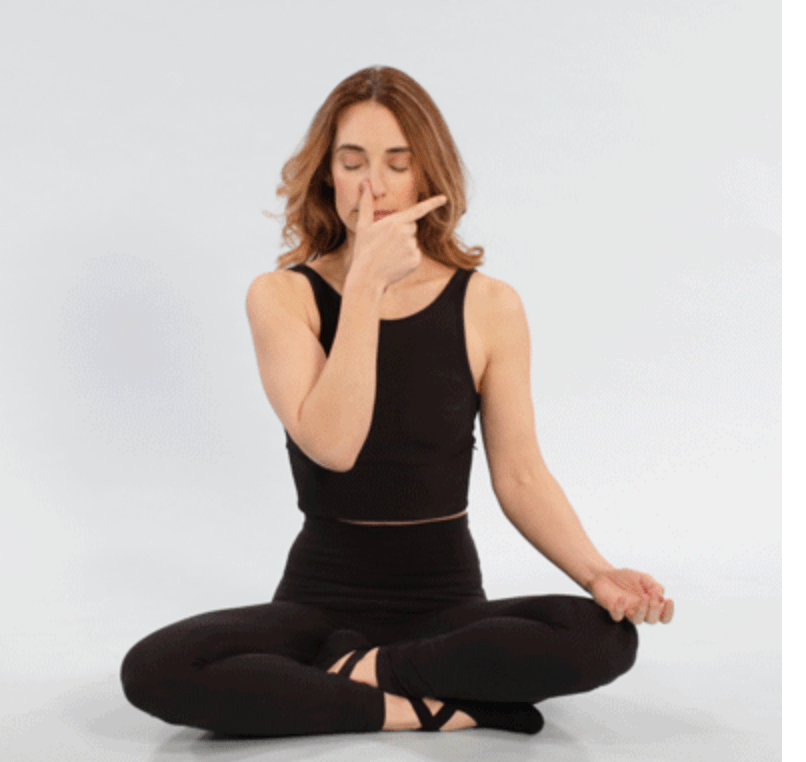
Enhances cardiovascular function and is best practiced on an empty stomach.
Choose a seated position and life your right hand toward your nose. Press your first and middle fingers towards your palm and use your right thumb to gently close your right nostril. Inhale through the left nostril and then close the left with your right fingers. Release your thumb and exhale through the right nostril. Repeat again.
3. Equal Breathing
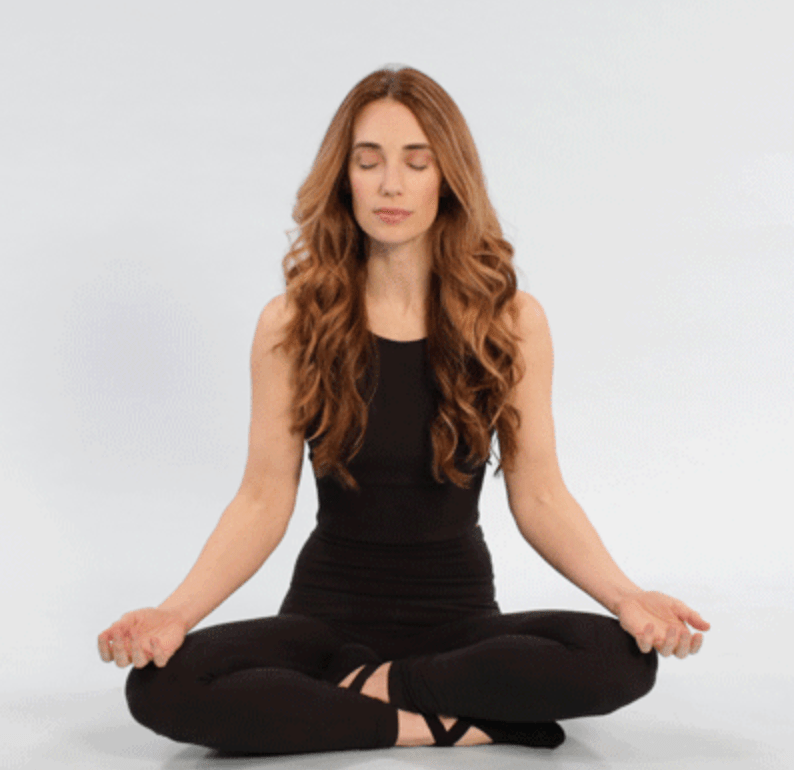
This breathing technique focuses on your making your inhales and exhales the same length. It has been shown to reduce blood pressure and increase oxygen supply to the brain and lungs.
Choose a seated position and breathe in and out through your nose. Count during each inhale and exhale to make sure they are even in duration. Continue for at least 5 minutes.
4. Deep Breathing

This techniques helps relieve shortness of breath and allows you to take in fresher air.
Do this while standing or sitting, draw your elbows back. Take a deep inhalation. Retain your breath for 5 seconds. Slowly release your breath by exhaling through your nose.
5. Humming Bee Breath
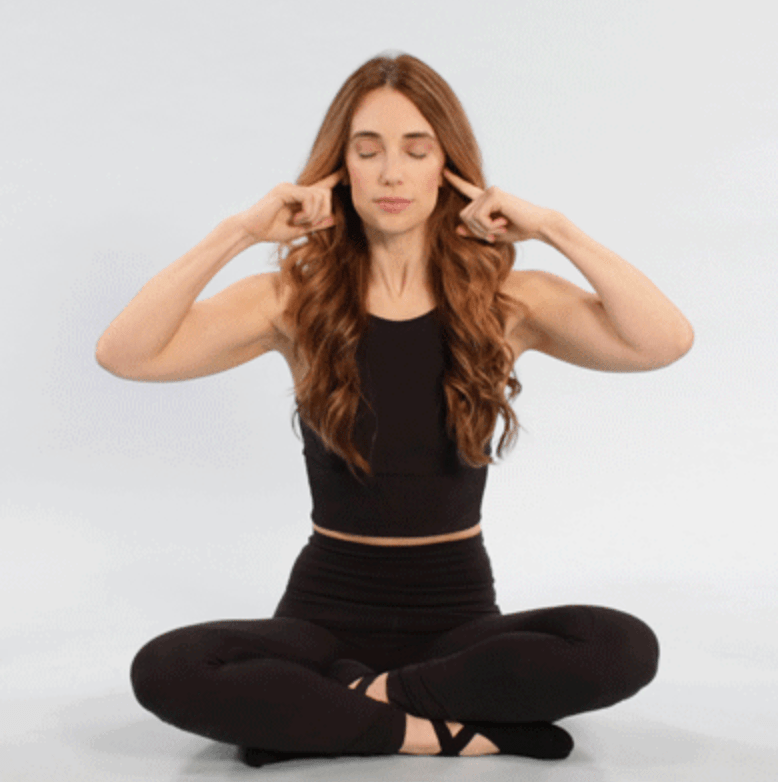
This technique can be used to relieve frustration, anxiety and anger. It also may help reduce your heart rate and think more clearly.
Choose a seated position and close your eyes. Place your first fingers on the tragus cartilage which partially covers your ear canal. Inhale and gently press your fingers into the cartilage as you exhale. Keeping your mouth closed, make a humming sound. Continue for as long as possible.
