
Studying effectively is key to excelling academically, but it’s not just about putting in the hours—it’s about studying smart. Here are the top ten study methods to help you maximize your productivity and retain more information.
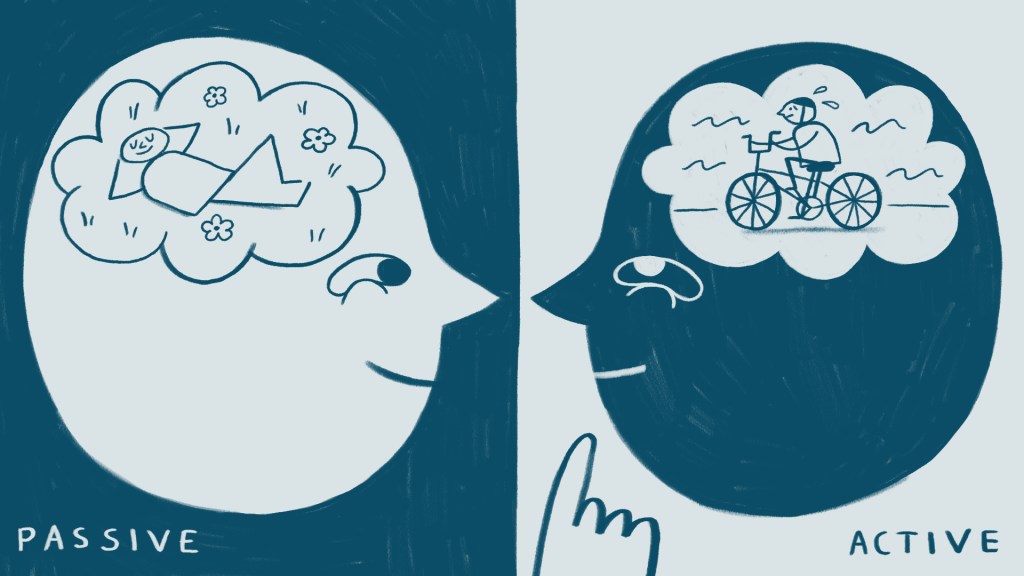
1. Active Recall – instead of passively reading notes, quiz yourself. Actively recalling information forces your brain to retrieve and reinforce knowledge, which improves long-term retention.
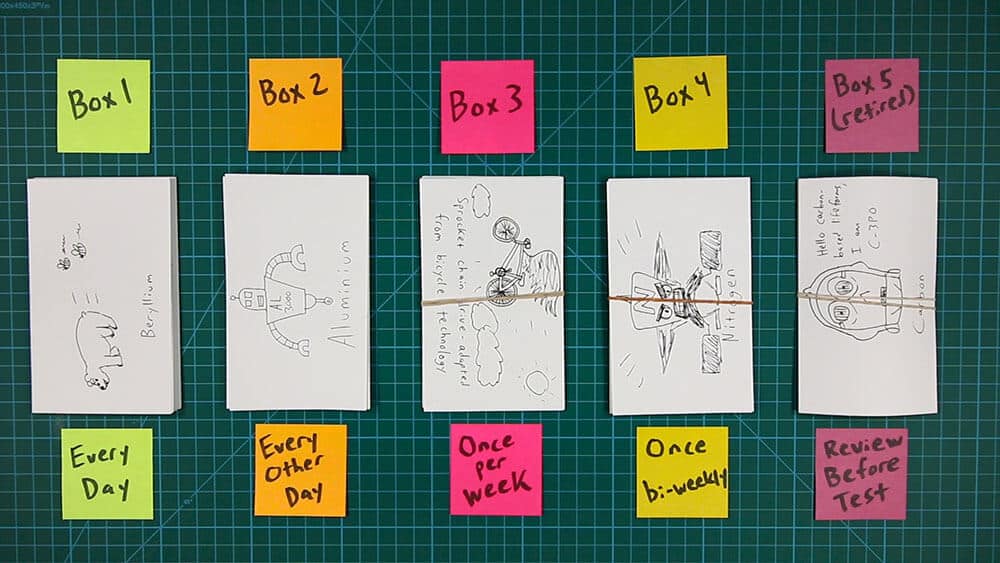
2. Spaced Repetition – Spread out your study sessions over days or weeks rather than cramming. Using tools like flashcards and apps such as Anki can help optimize this technique by showing you information at intervals that challenge your memory.
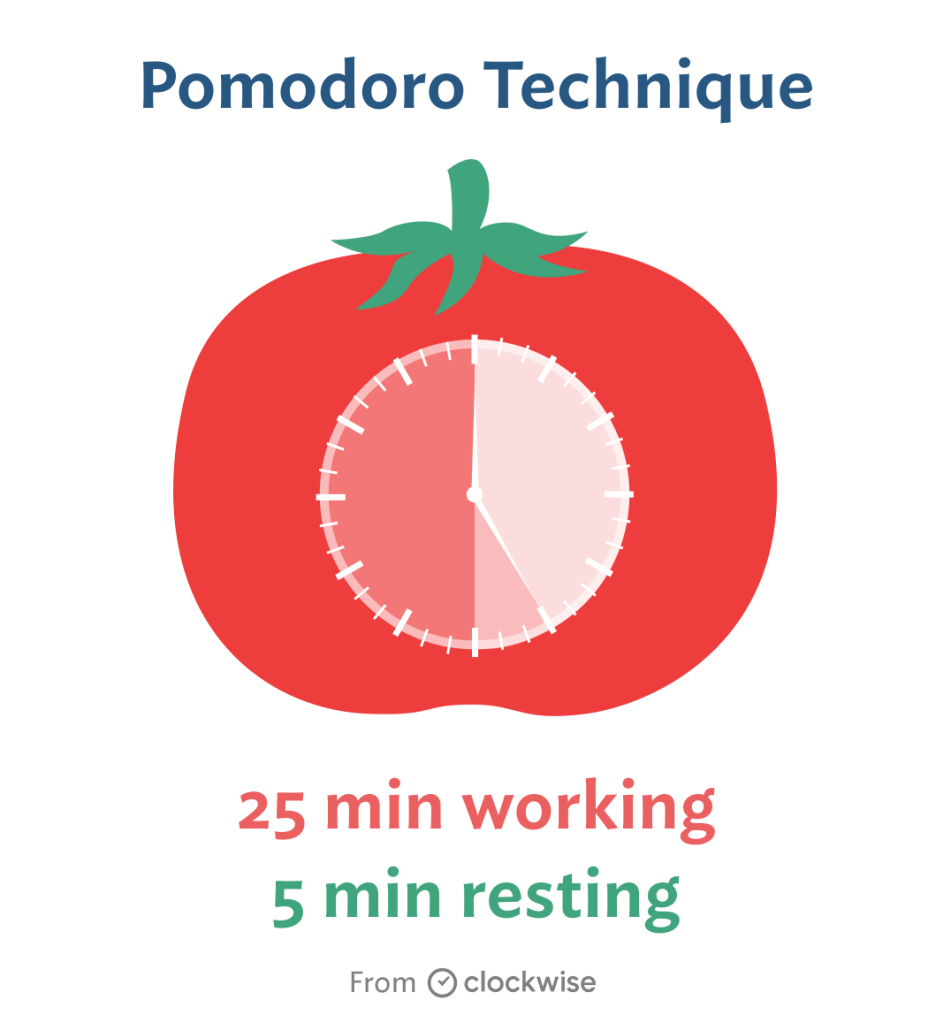
3. Pomodoro Technique – This time management method breaks your work into 25-minute focused intervals (Pomodoros), followed by short 5-minute breaks. After four sessions, take a longer break. It helps reduce fatigue and maintains your focus.
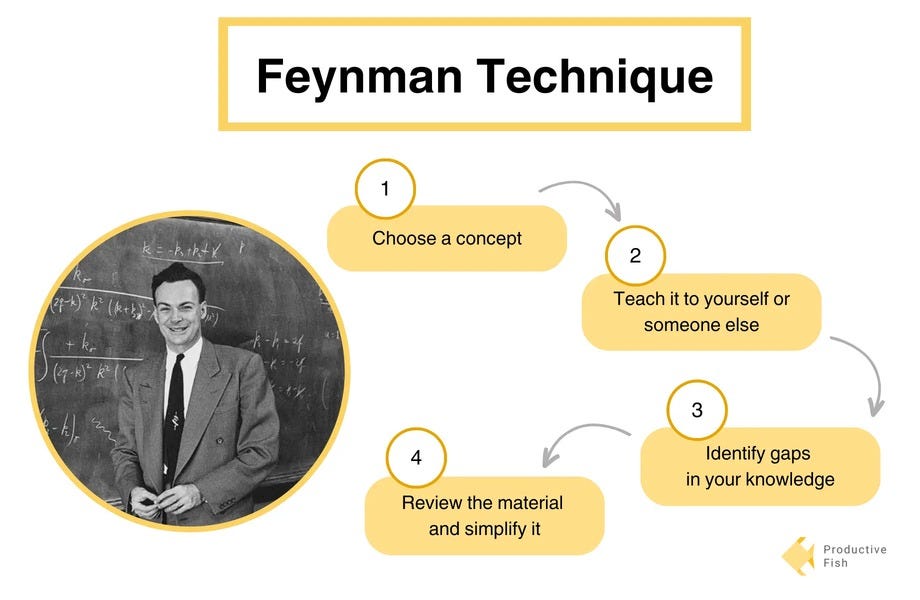
4. – Feynman Technique Teach what you’re learning to someone else or pretend to explain it to a beginner. This helps you understand the subject deeply and identifies areas where you need to improve.
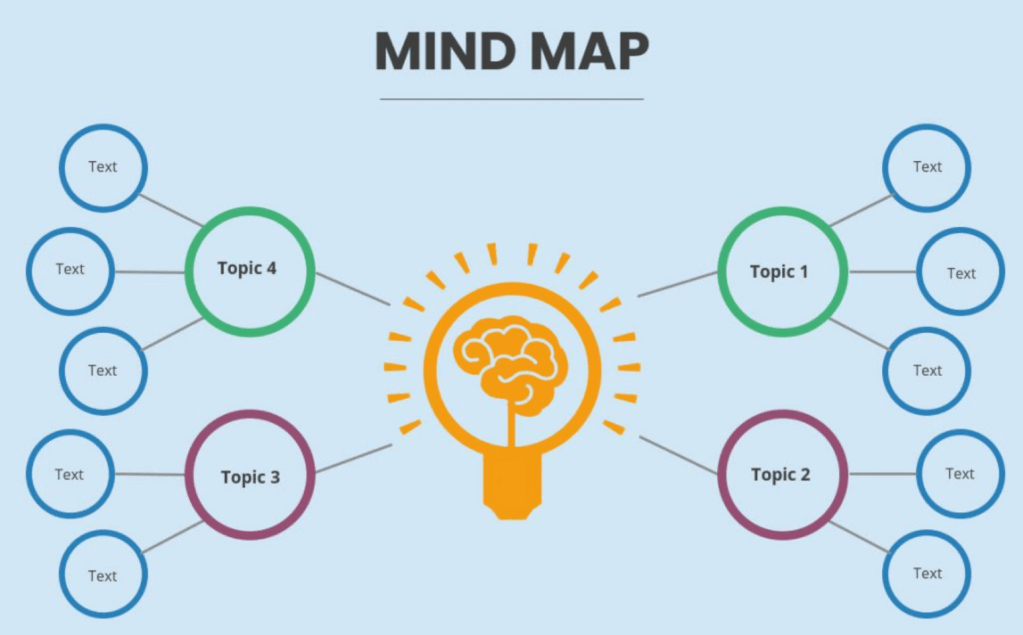
5. Mind Mapping – Create a visual diagram linking ideas and concepts. This helps with organizing thoughts and connecting key points, making it easier to remember complex information.
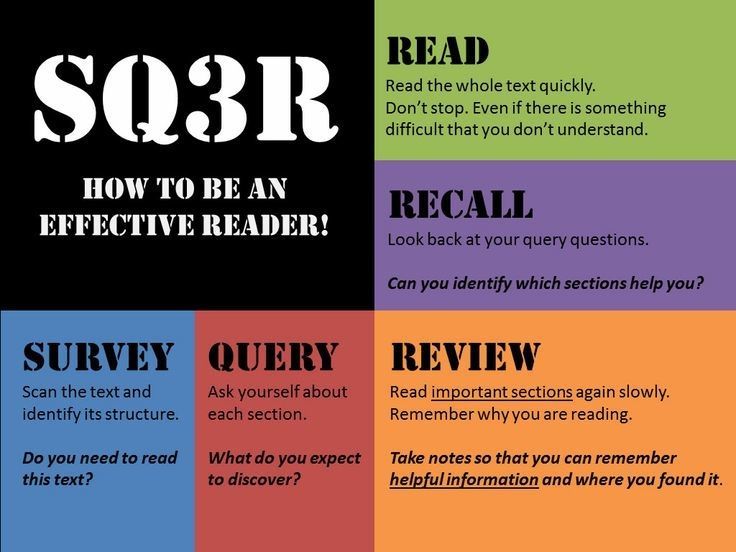
6. SQ3R Method – This five-step method stands for Survey, Question, Read, Recite, and Review. By previewing the material, asking questions, and actively engaging with it, this technique enhances comprehension and retention.
7. Study Groups – Studying with peers can reinforce learning, expose you to different perspectives, and keep you accountable. Discussing topics together enhances your understanding and fills in gaps you might have missed.


8. Cornell Note-Taking System – Divide your notes into three sections: cues, notes, and summary. Write your notes on one side, key points or questions in the cues section, and summarize everything at the bottom. This method makes reviewing material easier and more efficient.
9. Visualization and Mnemonics – Use images or memory aids (mnemonics) to link information to something more familiar. It’s especially helpful for memorizing facts, lists, or sequences in a creative and fun way.


10. Healthy Lifestyle – While not a study method in the traditional sense, getting enough sleep, staying hydrated, eating nutritious food, and exercising regularly are critical for cognitive function and memory. A healthy mind thrives in a healthy body.
