
Top Nutrition Tips for a Healthier You
Good nutrition is the cornerstone of a healthy lifestyle. What you eat not only affects your energy levels and weight but also impacts your long-term health and wellness. Whether you’re trying to eat healthier or optimize your current diet, these simple yet effective tips will help you on your journey.
1. Eat a Balanced Diet
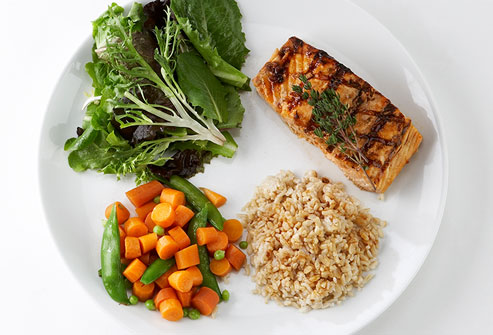
A well-balanced diet includes a variety of foods from all food groups: fruits, vegetables, whole grains, lean proteins, and healthy fats. Aim to fill your plate with colorful vegetables and fruits, and choose whole grains like quinoa, oats, and brown rice over refined grains.


2. Prioritize Protein
Protein is essential for muscle growth, repair, and overall health. Incorporate a good source of protein with each meal, such as lean meats, fish, eggs, beans, or plant-based proteins like tofu and lentils. Don’t forget about snacks too—nuts, seeds, or Greek yogurt are excellent options
3. Focus on Healthy Fats
Not all fats are bad. In fact, healthy fats are essential for brain function, hormone production, and heart health. Include sources of unsaturated fats like avocados, olive oil, nuts, and seeds, and limit trans fats and excessive saturated fats found in processed foods.
4. Hydrate, Hydrate, Hydrate
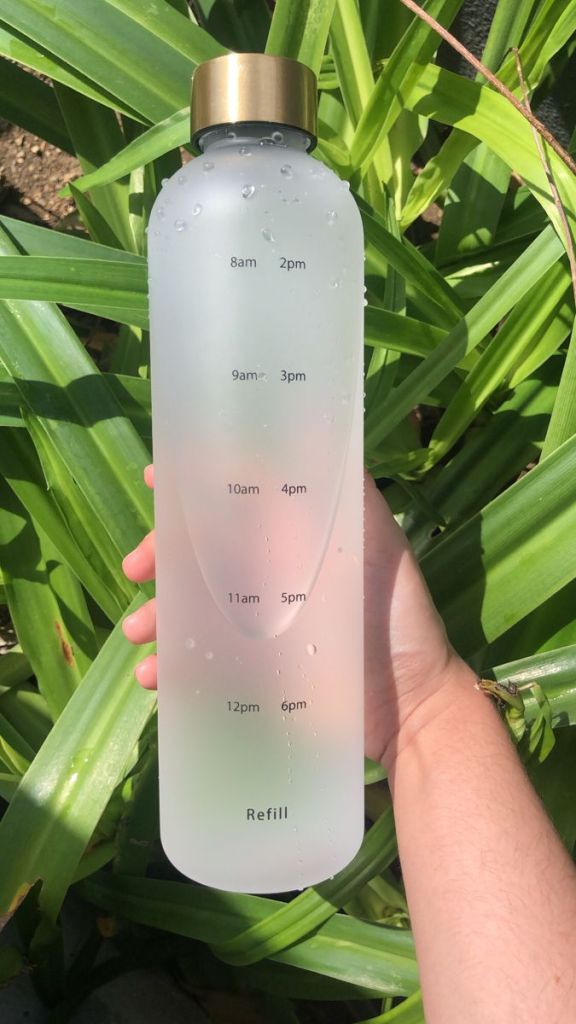
Staying hydrated is key to maintaining energy levels, supporting digestion, and keeping your skin healthy. Aim to drink at least 8 cups (2 liters) of water per day. Herbal teas, sparkling water, and water-rich foods like cucumbers and watermelon also contribute to hydration.
5. Watch Your Portions
It’s easy to overeat when portion sizes are too large. Practice mindful eating by paying attention to portion sizes, eating slowly, and stopping when you feel satisfied—not overly full. Use smaller plates to help control portions, and avoid distractions like TV while eating.
6. Limit Added Sugars
Excessive sugar intake can lead to weight gain, energy crashes, and long-term health problems like diabetes. Check food labels and try to limit added sugars found in processed foods, sugary drinks, and desserts. Opt for natural sweeteners like honey or maple syrup in moderation, or satisfy your sweet tooth with whole fruits.


7. Consider Supplements When Needed
While whole foods should always be the focus of your diet, certain supplements can help fill in nutritional gaps. Common supplements include vitamin D, omega-3 fatty acids, and probiotics. Before starting any supplements, consult a healthcare provider to ensure they are right for you.
